
Mehdi Fekih
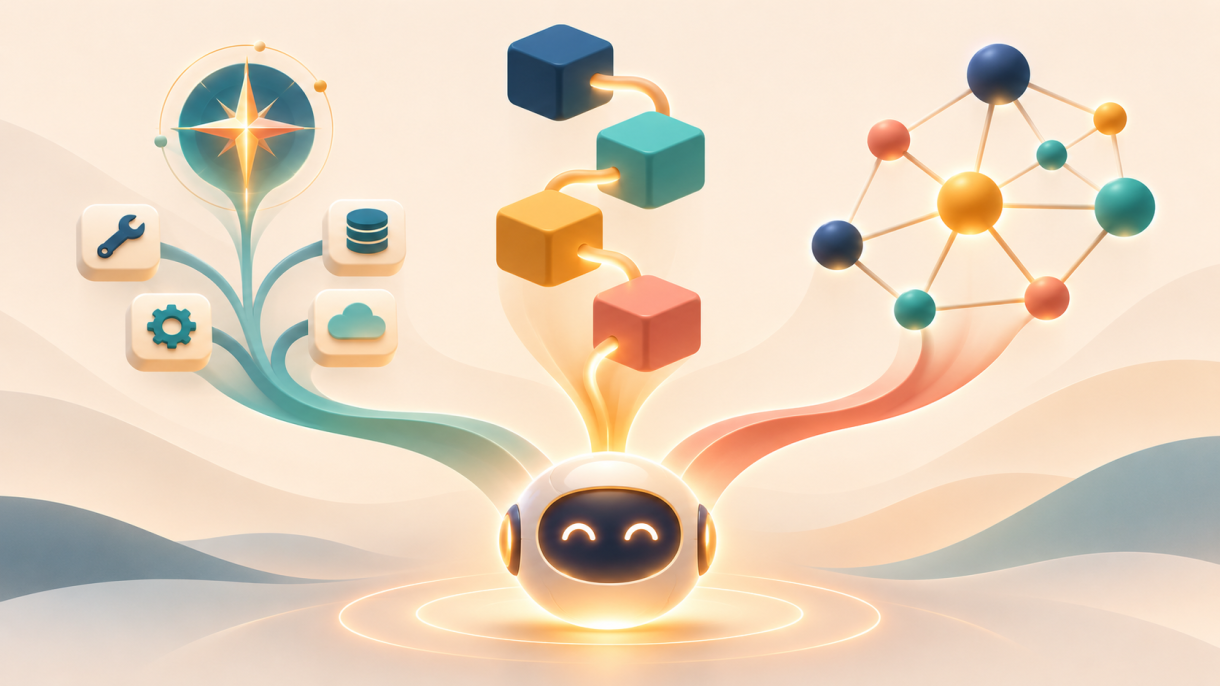
Hermes Agent, LangChain and LangGraph: Choosing the Right Starting Point
A ready-to-run agent and two developer frameworks solve different parts of the same problem. Here is how to choose a starting point.

Building a Personal AI Assistant Around Real Workflows
Hermes explores how a personal AI assistant can support everyday work, from Telegram to useful tools, while keeping context and limits in view.
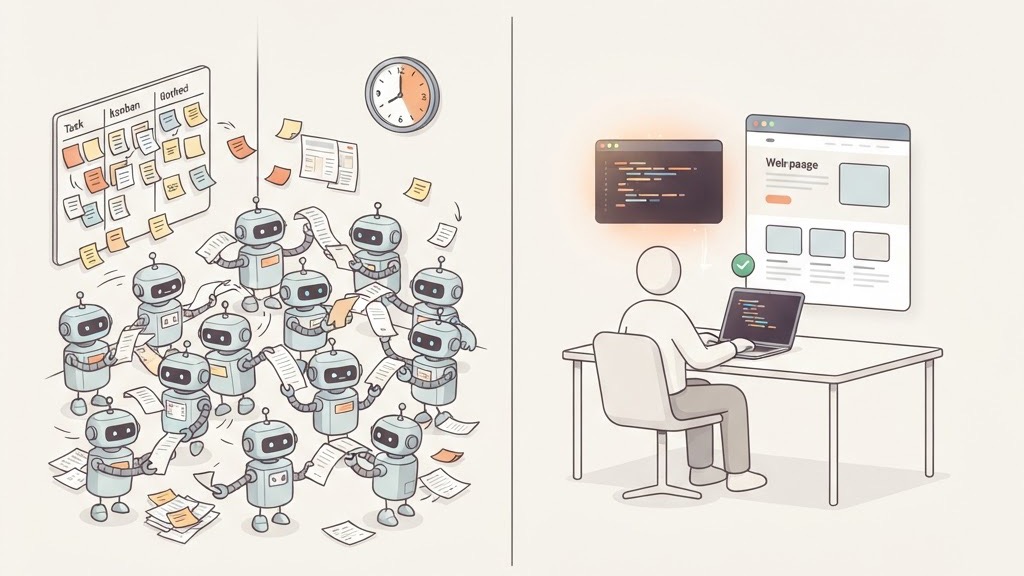
I Have a Team of AI Bots. Claude Code Did Their Job in a Few Minutes
AI · AGENTS · LESSONS LEARNED At home, a small team of AI agents runs around the clock. Hermes, the main bot, receives my requests on Telegram and hands them to specialists: one bot for infrastructure, one for home automation, one for movies, one for health… On paper, it is the most powerful setup I […]

Two Memories, One Source of Truth: Designing a Reliable Memory Layer for AI Agents
A practical architecture for combining a human-readable Markdown knowledge base with semantic conversational memory, while keeping one authoritative source of truth.

How to Back Up Your Personalized AI Agent to GitHub
A practical guide to safely backing up a personalized AI agent setup to a private GitHub repository without exposing secrets or credentials.
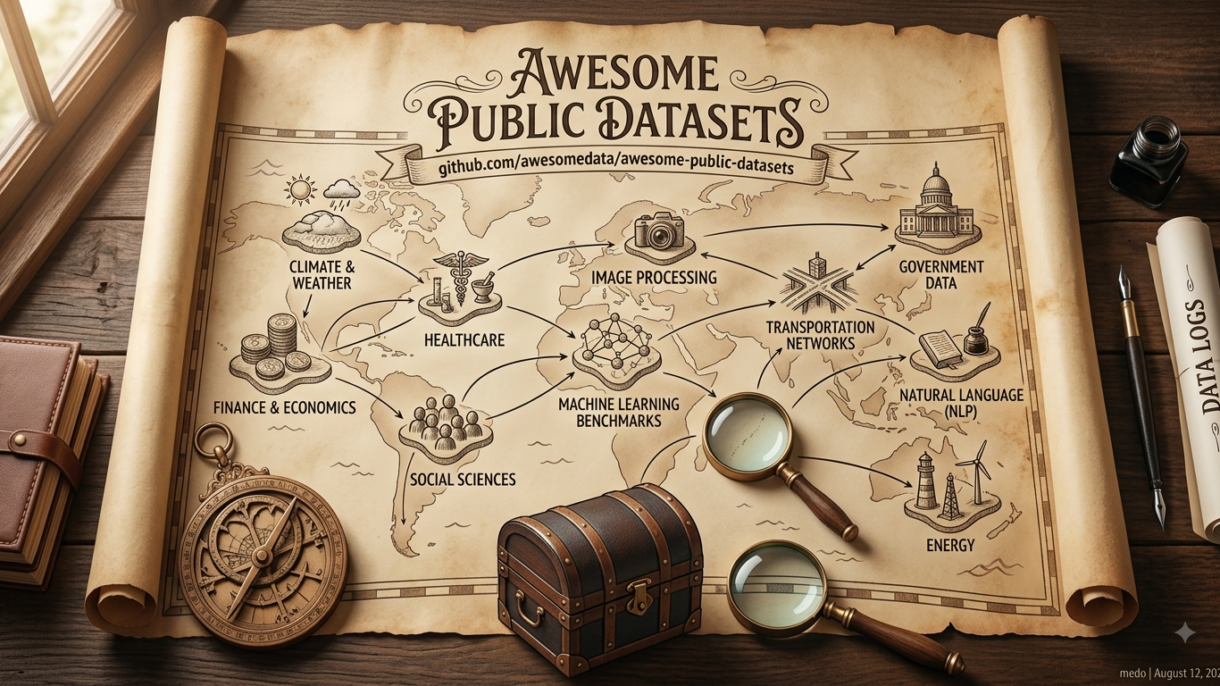
Awesome Public Datasets: A Treasure Map for Data-Driven Projects
A guide to Awesome Public Datasets, a curated GitHub repository that helps developers, researchers, students, and analysts discover high-quality public datasets across dozens of domains.
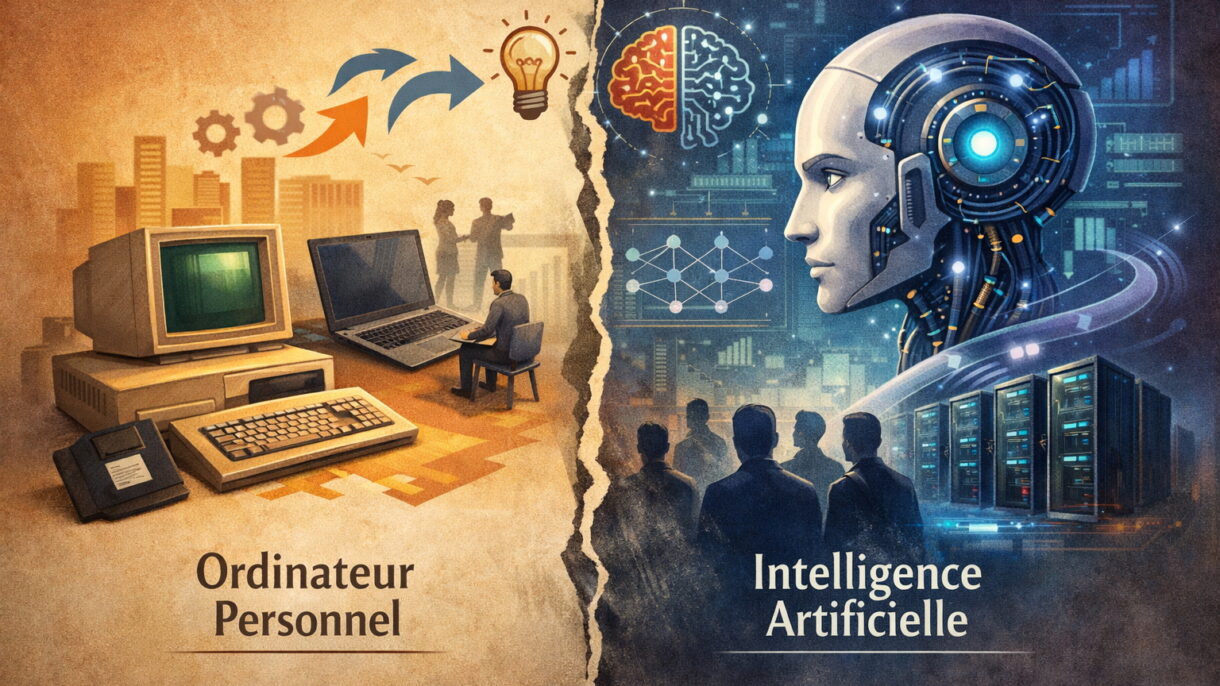
Artificial Intelligence and the Personal Computer: A Valid Comparison, but an Incomplete One
As artificial intelligence (AI) systems rapidly improve and spread across industries, a common argument emerges: the AI shift is comparable to the rise of the personal computer (PC) in the 1980s and 1990s. According to this view, AI represents another technological wave—initially disruptive, eventually normalized—requiring adaptation rather than concern. While this comparison is not without […]

AWS – Key Differences Between Network Access Control Lists (NACLs) and Security Groups
Navigating the complexities of cloud security requires a deep understanding of the tools at your disposal. Two fundamental components—Network Access Control Lists (NACLs) and Security Groups—serve as the cornerstone of network security in cloud environments. While both are instrumental in safeguarding your resources, they differ significantly in their operation and application. NACLs provide a layer of defense at the subnet level, controlling traffic based on a set of ordered rules. Security Groups, conversely, offer a more granular level of protection, applying to individual instances with a stateful approach to traffic filtering. This article elucidates the key differences between NACLs and Security Groups, shedding light on their unique roles and how they complement each other in fortifying your cloud infrastructure.
